

Monsoon in Wayanad: Rain, Mist, Greenery, Food & the Real Wayanad Experience

Wayanad Monsoon Guide | Why Visit Wayanad During the Rainy Season

There is a different Wayanad that appears when the monsoon arrives.
The dry trails turn green, tea plantations become intensely vibrant, mist rolls across the hills, streams come alive and the sound of rain becomes part of everyday life. For many travellers, this is when Wayanad feels most magical.
But in recent years, there is another side to the monsoon story.
Whenever a landslide or extreme rainfall event occurs in any part of Wayanad, images and videos can quickly spread across television channels, news websites and social media. Understandably, this can create the impression that the entire district is unsafe or affected.
The reality is more nuanced.
Wayanad is a large, geographically diverse district, and weather conditions and local impacts can vary significantly from one area to another. The devastating July 2024 landslide affected specific communities in the district, but the wider tourism industry experienced cancellations because of the perception that the entire destination had been affected. Kerala Tourism subsequently launched its “Revisit Wayanad” campaign specifically to restore visitor confidence and highlight that the calamity was localized.
That does not mean travellers should ignore weather warnings. Quite the opposite: monsoon travel requires awareness, flexibility and responsible planning.
But it also means that a single incident in a remote or affected location should not automatically define the experience of the entire Wayanad region.
Why Does Wayanad Look So Different During the Monsoon?
Wayanad sits in the Western Ghats and receives substantial rainfall. The district experiences the Southwest Monsoon from approximately June to September and the Northeast Monsoon from October to November. Lakkidi, in Wayanad, is among Kerala's highest-rainfall areas.
The rain transforms the landscape.
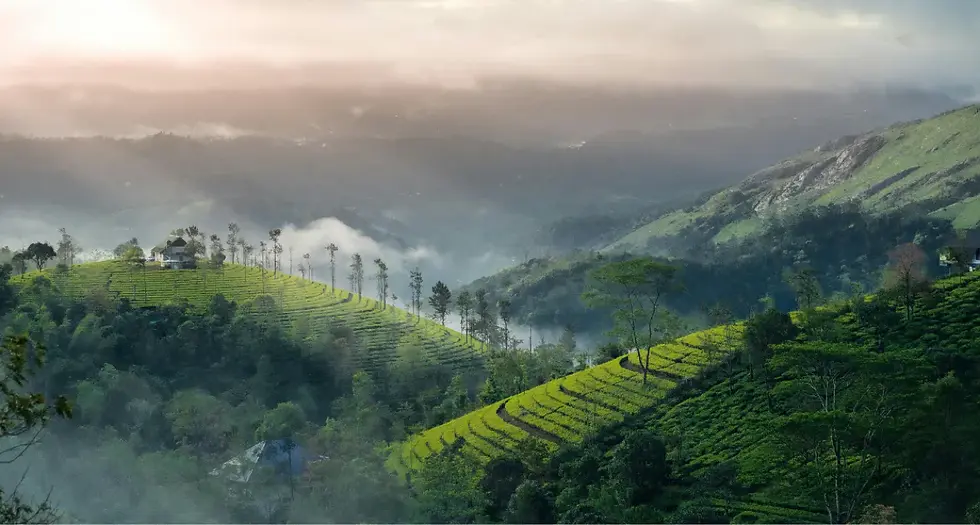
Tea plantations become deeper shades of green. Forests appear denser. Small streams and waterfalls become more active. Clouds settle over the hills and valleys, often creating dramatic views that are difficult to experience during the dry season.
Instead of looking for sunshine throughout the day, monsoon travellers come to Wayanad to experience the rain itself.
The Different Faces of Rain in Wayanad

“Rain” in Wayanad does not always mean continuous heavy rainfall.
Depending on the weather system and location, visitors may experience several different forms of monsoon weather.
1. Gentle Drizzle
Light drizzle can continue for long periods, creating a cool and misty atmosphere.
This is arguably one of the best times to simply sit on a balcony with a cup of hot Kerala tea while watching the clouds move across the plantations.
2. Short Monsoon Showers
A bright morning can suddenly turn into a refreshing shower.
These short bursts of rain often leave the landscape looking freshly washed, with droplets covering leaves and plantation paths.
3. Heavy Downpours
At times, Wayanad experiences intense rainfall over a short period.
These are the days when travellers should slow down, avoid unnecessary driving and check local weather and road conditions before heading out.
4. Misty Rain
One of the most beautiful combinations is rain and mountain mist.
Clouds can settle over valleys and plantations, creating a cinematic landscape where hills appear and disappear behind layers of mist.
5. Rain Followed by Sunshine
One of the pleasures of a Wayanad monsoon holiday is the constantly changing weather.
A rainy morning may be followed by a few hours of sunshine, only for another shower to arrive later.
This unpredictability is part of the experience.
Why Should You Visit Wayanad During the Monsoon?
1. Experience Wayanad at Its Greenest
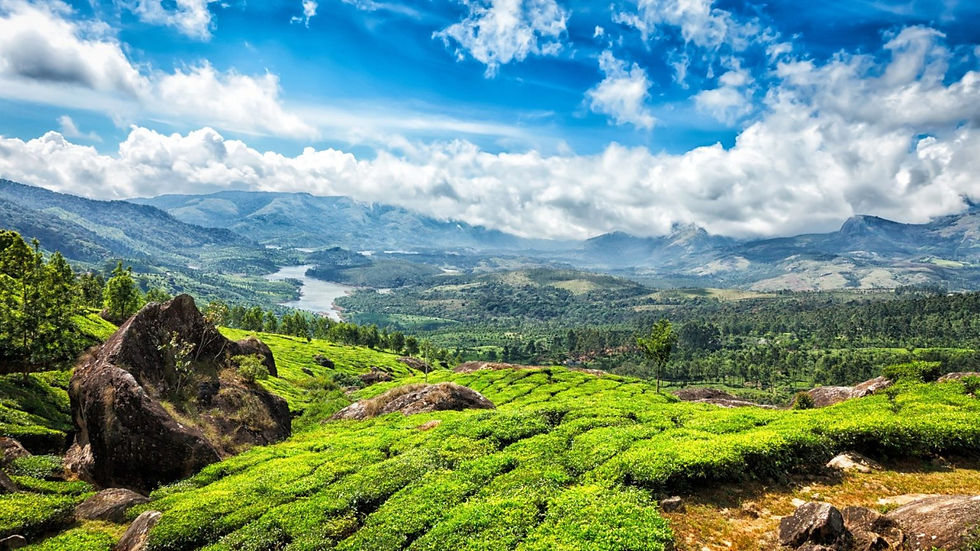
The monsoon brings out the richest shades of green across Wayanad's forests, plantations, valleys and countryside.
For photographers and nature lovers, this can be one of the most rewarding seasons to visit.
2. Misty Mountain Views
If you love mountains covered in mist, monsoon is an excellent time to experience Wayanad.
The landscape changes throughout the day, making even a familiar viewpoint look different every few hours.
3. Tea Plantation Beauty
Wayanad's tea estates become particularly vibrant during the rainy season.
Imagine waking up to cool air, wet greenery and clouds floating above the plantation landscape.
For guests staying at a property surrounded by plantations, the view itself can become the holiday.
4. Waterfalls and Streams Come Alive
Rain replenishes the streams and waterfalls across the Western Ghats.
However, access to individual waterfalls and trekking locations can change according to weather and safety conditions. Always check local advisories before visiting.
5. A Perfect Season for Slow Travel
Monsoon is not necessarily about ticking ten attractions off a checklist.
It is about slowing down.
Read a book. Enjoy a long breakfast. Watch the rain. Have tea on the balcony. Spend time with family and friends. Enjoy a traditional Kerala meal.
For travellers looking for relaxation rather than a packed itinerary, this can be the perfect Wayanad experience.
6. Cooler Weather
Rain brings cooler temperatures and a refreshing atmosphere compared with hot and humid city conditions.
The combination of cool air, greenery and mist makes Wayanad particularly appealing for a weekend escape.
7. Photography
Monsoon offers endless subjects for photographers:
Mist-covered mountains
Tea plantations
Rain-covered leaves
Water droplets
Clouds over valleys
Forest streams
Traditional Kerala homes
Rainy village roads
Dramatic skies
Monsoon sunsets
Every rainy day can look different.
8. A Different Kind of Family Holiday

Families and groups can enjoy a monsoon getaway without spending every hour travelling between attractions.
A comfortable villa with good food, indoor spaces, a pool when weather permits, board games, conversations and scenic surroundings can become the destination itself.
What About Landslides During the Wayanad Monsoon?
This is an important question, and travellers should not ignore it.
Wayanad's mountainous terrain and heavy monsoon rainfall mean that landslides, rockfalls, flooding and temporary road disruptions can occur in vulnerable locations during periods of extreme weather.
The tragic 2024 Mundakkai–Chooralmala landslide demonstrated the seriousness of extreme rainfall events and the devastating consequences for local communities.
At the same time, the tourism impact extended well beyond the directly affected areas. Reports after the disaster noted that cancellations and fear affected tourism businesses across the district even though the physical disaster was concentrated in a relatively small part of Wayanad.
This highlights an important distinction:
A landslide in one location does not automatically mean that every part of Wayanad is experiencing the same conditions.
Wayanad is a large district with different elevations, terrain, roads, villages, plantations and tourism areas.
The responsible approach is therefore neither to ignore the risk nor to assume that the entire destination is affected.
Travel Responsibly During the Monsoon
Before travelling:
Check the latest IMD weather warnings.
Check local road and route conditions.
Follow district administration advisories.
Avoid travelling through areas under official warnings.
Avoid trekking or visiting restricted waterfalls during dangerous weather.
Prefer daytime travel in difficult weather.
Keep your itinerary flexible.
Choose accommodation in a location suitable for your planned activities.
The India Meteorological Department regularly issues heavy-rainfall and landslide-related warnings during active monsoon periods, so checking the latest forecast should be part of every monsoon travel plan.
The Best Part of Monsoon in Wayanad: Food!
Rainy weather and Kerala cuisine are a perfect combination.
There is something particularly satisfying about eating hot, freshly prepared food while listening to rain outside.
Puttu & Kadala Curry
A classic Kerala breakfast.
Soft steamed puttu paired with spicy kadala curry is an excellent way to start a rainy morning.
Kerala Parotta & Chicken Curry
Flaky Kerala parotta with a rich chicken curry is a favourite among visitors and a wonderful dinner option after a rainy day.
Appam & Stew
Soft, lacy appams paired with vegetable, chicken or other traditional Kerala-style stews make for a comforting meal.
Pazhampori
Rainy evening + hot tea + crispy banana fritters.
It is difficult to imagine a more Kerala-style monsoon snack.
Parippu Vada
Crispy lentil fritters with a cup of hot tea or coffee are another classic rainy-day combination.
Tapioca & Fish Curry
For those looking for traditional Kerala flavours, kappa and fish curry is a must-try combination.
Kerala Biryani
A hearty biryani is perfect for a relaxed lunch or dinner with family and friends.
Hot Kerala Tea & Coffee
And, of course, no Wayanad monsoon experience is complete without plenty of hot tea or freshly brewed coffee.
Wayanad is also known for crops including coffee, tea, pepper, cardamom, ginger and turmeric, making the region's food culture closely connected with its agricultural landscape.
What Does a Perfect Wayanad Monsoon Day Look Like?
Imagine waking up to the sound of rain.
Open the balcony door.
The tea plantations are covered in mist.
Have a hot breakfast of puttu and kadala curry.
If the weather is clear, head out for a nearby sightseeing experience.
Return to your villa before the next heavy shower.
Enjoy a hot cup of tea.
Spend the afternoon relaxing with family.
Watch the rain over the hills.
Enjoy a traditional Kerala dinner.
End the day with conversations, music or a bonfire if weather conditions permit.
That is the beauty of a Wayanad monsoon holiday.
You don't have to constantly be on the road.
Sometimes, the best part of the journey is simply being there.
Why Choose Regal Retreat for a Wayanad Monsoon Getaway?
For travellers who want to experience Wayanad's monsoon without rushing from one attraction to another, Regal Retreat offers a peaceful base surrounded by the natural beauty of the region.
Located in Periya, Wayanad, the retreat provides a spacious setting for families and groups looking to spend quality time together.
Guests can enjoy:
Scenic natural surroundings Traditional Kerala-inspired architecture🍽️ Freshly prepared Kerala-style meals🏊 Private swimming pool, Bonfire experiences when weather permitsSpacious accommodation for families and groups. Peaceful spaces to enjoy the monsoon atmosphere
The beauty of a monsoon stay is that you don't need perfect weather every day.
A rainy afternoon can be just as memorable as a sunny sightseeing day.
Plan Your Monsoon Escape to Wayanad
Wayanad during the monsoon is not simply a destination to visit.
It is an experience to feel.
The sound of rain on the roof.
Mist moving through the mountains.
Fresh green tea plantations.
The smell of wet earth.
Hot Kerala food.
A cup of tea overlooking the valley.
And the opportunity to slow down for a few days.
Yes, monsoon travel requires responsible planning. Extreme weather can create genuine risks, and official warnings should always take priority.
But when conditions are favourable, Wayanad's monsoon can reveal a side of Kerala that is lush, peaceful and unforgettable.
If you are looking for a peaceful monsoon getaway in Wayanad, come experience the rain, greenery, food and warmth of Kerala at Regal Retreat.

Comments